We are absolutely delighted (an understatement) that Treebeard Trust will be funding a part-time administrator for the next year, and have also offered informal and ongoing advice to help us with our campaign. The Trust also fund organisations such as Rights of Women and the Centre for Women’s Justice so we are in very good company indeed.
Having their generous support will significantly expand our scope and increase our efficacy. In particular we have been asked to demonstrate progress against four areas of work:
Increased awareness of the issue and injustices among those at risk and those who are in a position to make a difference
HCCH and individual states acknowledge and take steps to ameliorate the problem
mothers fleeing abuse and facing Hague petitions (and the organisations supporting them) have access to up-to-date resources and support
growth in the evidence base related to this issue, both through survivor’s testimony and academic expertise.
Given the expertise and commitment available to us through our members and partners, we can certainly do that. Thank you Treebeard for your faith in us.
Lisa Ogawa, co-founder Hague Mothers Japan has sent us this reportabout media accounts of ‘child abduction’ and the growing feminist solidarity which is challenging this one-sided narrative.
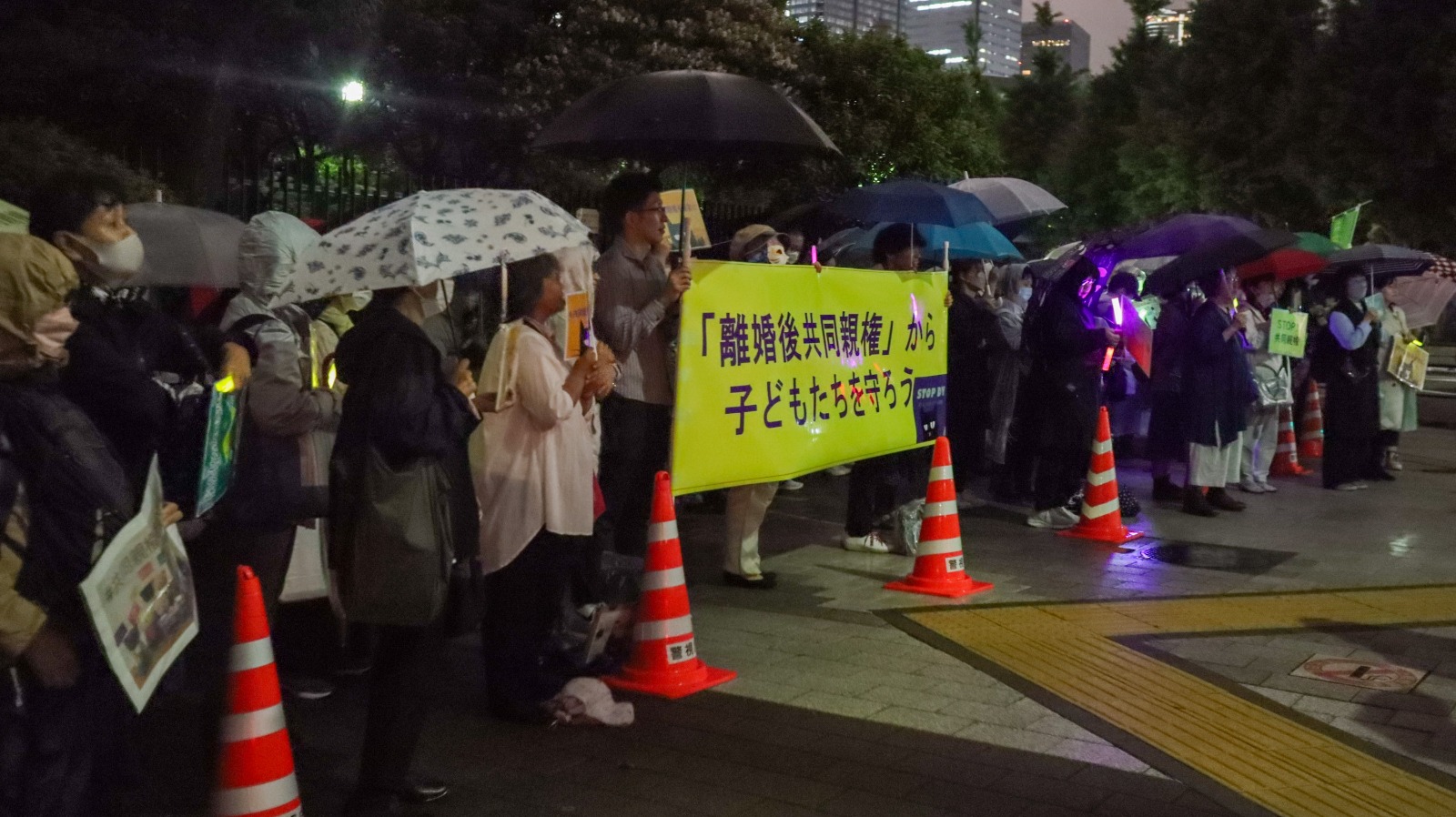
Some three months ago, in May 2024, Japan’s Diet (parliament) passed a bill introducing joint parental authority. While few oppose voluntary joint parental authority, many feared the possibility of court-mandated joint parental authority, leading to widespread opposition. As this legislation was debated, DV survivors and supporters began to raise their voices, primarily on social media but also through on-site protests. The movement grew, with a petition to stop the bill gathering more than 240,000 signatures.
‘The solidarity between DV survivors, supporters, and allies, which had formed in opposition to the bill, re-emerged in response to the programme announcement. Having come together to fight for our rights, women will not easily be silenced.’
Lisa’s reporton how a TV documentary announcement sparked social media uproar in Japan:
On August 18, 2024, a post by Houdou Tokushu (“News Special”), a major live news and documentary program on TBS, one of Japan’s leading commercial television networks, drew widespread attention. The post read:
‘On August 24: MBS Child Abduction. Due to the breakdown of relationships between parents, cases of one parent abducting their child continue to occur. How do children, suddenly separated from one parent, feel and cope with their lives? This program will explore the reality of abduction, featuring the story of a child who reunited with their father after 10 years.’
The original post included a link to a short video teaser for the upcoming program.
In the teaser, several Japanese individuals shared their experiences of ‘child abduction’. The Executive Director of BACHOME (Bring Abducted Children Home) also appeared, visibly emotional, as he recounted how his wife ‘abducted’ their six-year-old son from the USA. (The separation occurred before Japan ratified the Hague Convention on International Child Abduction.)
However, after facing a torrent of negative comments, the original post was deleted and re-uploaded the following day without the video link. This action only intensified the backlash from domestic violence survivors, their supporters, and many others who saw the post as a case of misinformation perpetuated by a small but influential group.
Here are some of the reactions:
‘These are situations where DV victims could lose their lives. Please urgently convene a risk management meeting within the company to reconsider whether this report should proceed.’ Link
‘I’m disappointed that you didn’t interview victims and instead used the term ‘abduction,’ a cliché often used as hate speech against DV victims.’ Link
‘Where does the claim that ‘one parent taking the child away continues to occur’ come from? In many divorce cases, we see a parent taking the child to escape DV, while the perpetrator, lacking self-awareness, accuses them of abduction. (family lawyer)’ Link
‘I fled from an ex-husband who kicked me and abused our infant son to the point of breaking his bones. I ran away during the day while he was at work because I feared for our lives if we continued living together. There was no way I could discuss divorce while still living together.’ Link
‘In this debate, reports have repeated one-sided claims without fact-checking. Why aren’t programs asking the crucial question: “Why did they leave home with their child, risking their livelihood?” This is what needs investigation.’ (law student) Link
‘Only 28.1% of single-parent households in Japan receive child support, according to the 2021 National Survey. Shouldn’t this issue be highlighted? Why not interview those who continued paying support despite financial hardship and those who stopped?’ Link
Following the programme announcement, a DV survivor’s ‘X’ account called for a social media protest on August 18, using hashtags like #DontLabelItAbduction, #ChildRelocationNotAbduction, and #NoParentChildSeparation.
Despite being announced less than seven hours in advance, the protest quickly gained traction, with #ConcernedAboutNewsSpecial generating 4,944 posts.
To understand why a post by a TV programme sparked such widespread outrage in Japan, it’s crucial to consider the realities of single-parent households, family law, and DV policies, rather than the misinformation spread by international media, invariably influenced by fathers’ rights activists from the West.
Here are some facts:
In Japan, taking their children and leaving home is often the only way for victims to escape DV.
Labelling pre-divorce relocation with children ‘abduction’ is a narrative often pushed by abusers who want to criminalize a parent’s relocation, even if that parent is the primary caregiver.
If a child is taken away by a non-primary caregiver during a marriage, they will be returned through legal proceedings.
Nearly half of single-parent households in Japan live in relative poverty (source). Despite this, many parents choose to leave abusive situations, indicating they have no other choice.
Shared custody, including 50/50 physical custody, is possible under current law if the ex-couple maintains a minimum level of trust. It’s important to note that there’s no reliable evidence that enforced shared physical custody benefits children, while studies like Wallerstein’s suggest the opposite.
The programme announcement only highlighted the voices of parents who claimed their children were abducted, without verifying the other parent’s side of the story or checking if those unable to see their children had pursued legal visitation rights.
The teaser cited a report by a Japanese NPO, whose data reliability is under scrutiny, claiming there are over 500 ‘victims’ of child abduction.
The documentary was aired on August 24th as originally scheduled. However, the company appear to have significantly altered the content. For instance, the report by the NPO in question was omitted from the program, and the reporter made a point of clarifying that escape from domestic violence is not ‘abduction’. We believe these changes were in response to our campaign. Nonetheless, significant concerns remain regarding the accuracy and objectivity of the programme, as mentioned above.
The strength and impact of the opposition to the initial post about the documentary didn’t appear out of thin air. It is a sign of growing solidarity and visibility among DV survivors in Japan.
Some three months ago, in May 2024, Japan’s Diet (parliament) passed a bill introducing joint parental authority (Note: This is not joint custody legislation; see this article for more details). While few oppose voluntary joint parental authority, many feared the possibility of court-mandated joint parental authority, leading to widespread opposition. As this legislation was debated, DV survivors and supporters began to raise their voices, primarily on social media but also through on-site protests. The movement grew, with a petition to stop the bill gathering more than 240,000 signatures.
Although the legislation passed with the ruling party’s support, the opposition became so strong that the government was compelled to commit that joint parental authority wouldn’t be court-ordered if one parent refuses for valid reasons.
The solidarity between DV survivors, supporters, and allies, which had formed in opposition to the bill, re-emerged in response to the programme announcement. Having come together to fight for our rights, women will not easily be silenced.
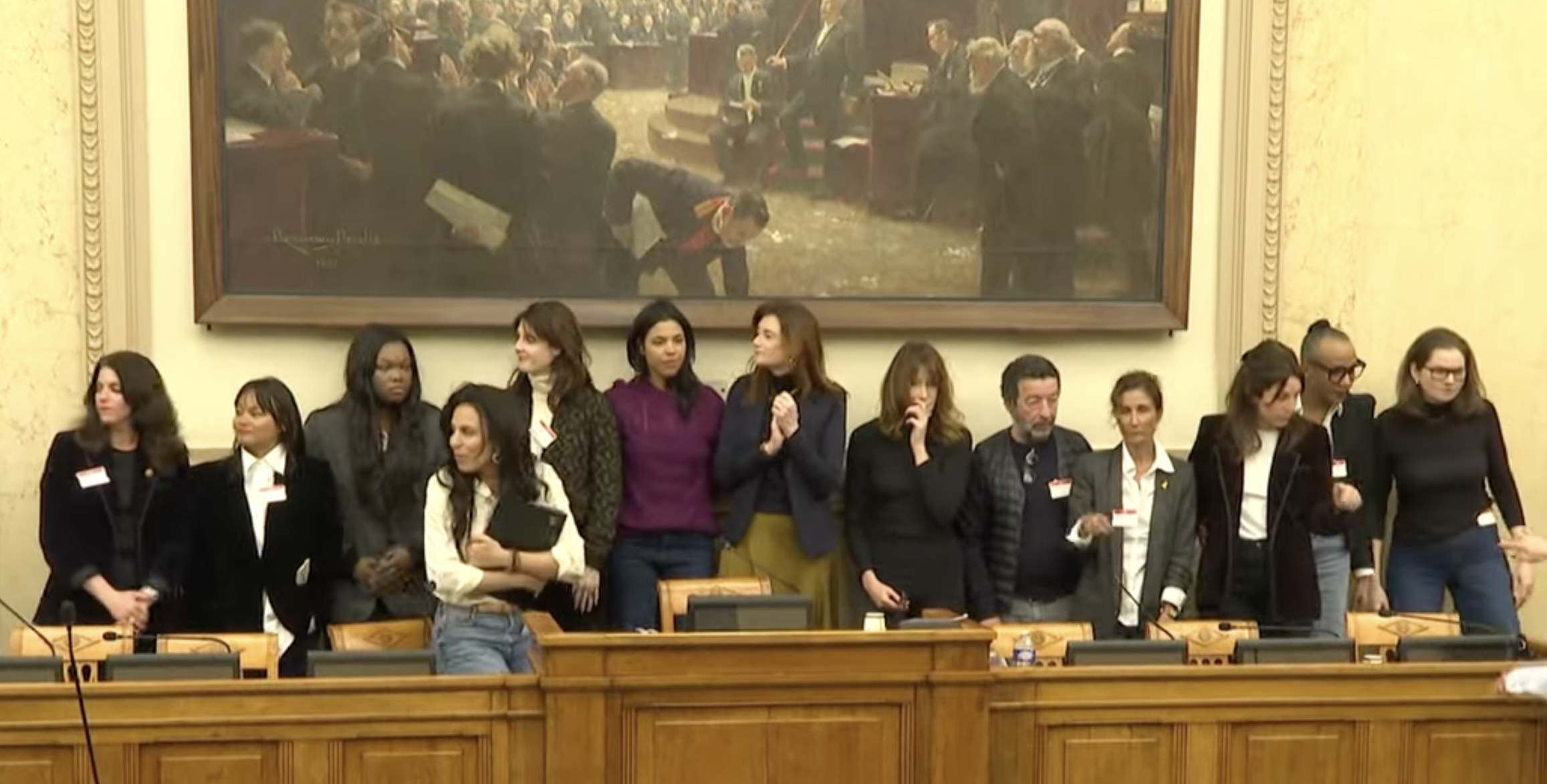
We are sharing this open letter in solidarity with mothers across the world who are being failed by a justice system which is no longer fit for purpose.
‘Instead of protecting my children the system targeted me, the protective mother, branding me as an alienating mother without foundation and sentencing me to six months of suspended prison for refusing to hand over my children to their abuser. This sentence forces me to comply with dangerous visitation rights or face imprisonment and loss of custody.’
‘Hundreds of mothers across France face similar injustices, our voices are drowned out by a system that protects abusers over victims. I appeal to the international community, human rights organizations, and world leaders to provide asylum for French mothers and children who need protection from a system that endangers their lives.’
‘My plea is simple: we seek safety, justice, and the right to live free from fear. We call upon you to recognize our plight and advocate for systemic changes that prioritize victim protection over perpetrators’ rights. Our fight is for the future of countless children who deserve to grow up in a world where their rights and well-being are safeguarded.’
Please share the Open Letter to help raise awareness of this appalling injustice, one which is replicated across the world.
Patricia Alvarez of The Hague Papers reports on a potentially groundbreaking declaration by the Brazilian Government – one which could be a first step towards safeguarding victims of domestic violence, both mothers and children, who are caught up in Hague proceedings.
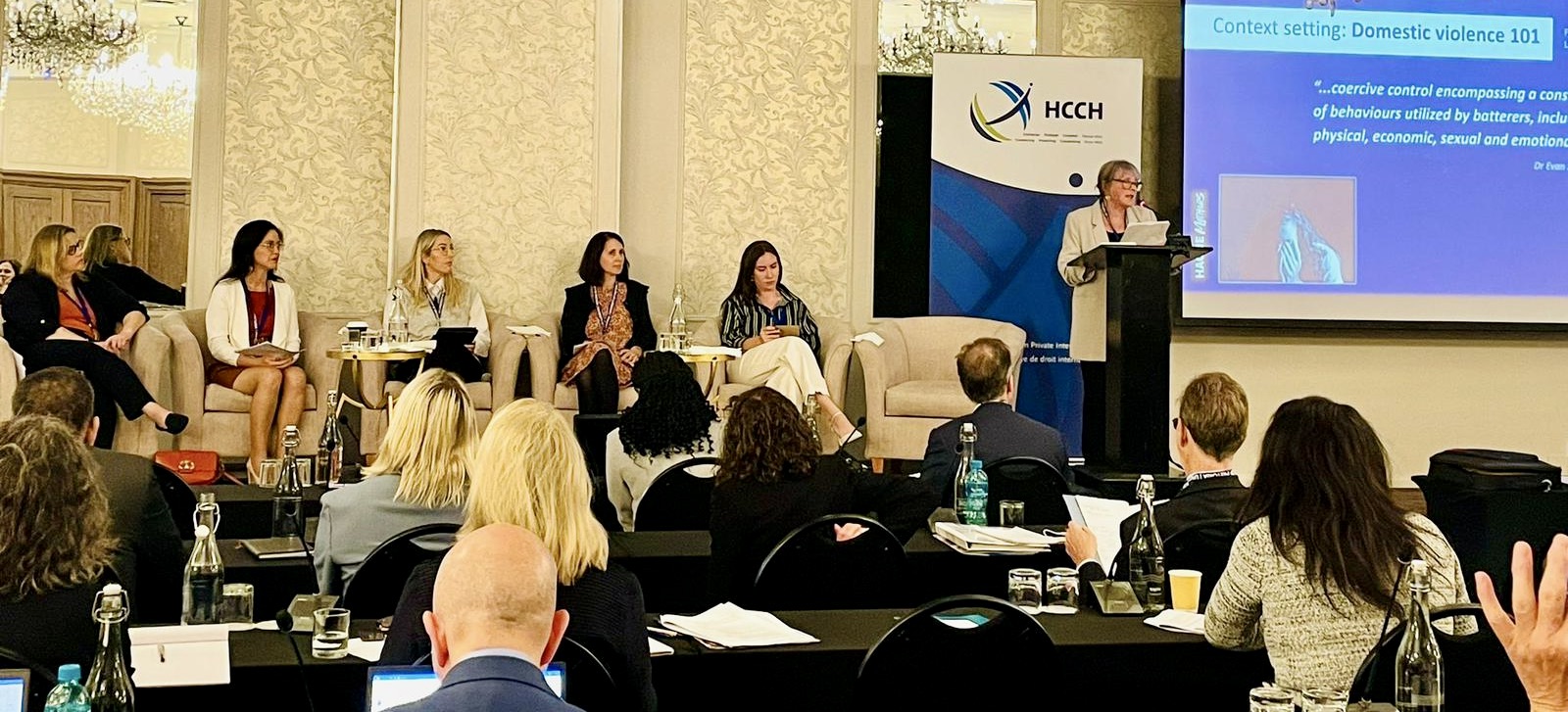
An historic Forum on Domestic Violence and the Operation of Article 13(1)(b) was held in South Africa last month (18-21 June 2024). We believe and hope that this unprecedented event will mark a turning point in the implementation of the Convention. Our sincere thanks to Secretary-General Christophe Bernasconi and his colleagues at the HCCH for organising the Forum, and for enabling mothers’ voices to be heard for the first time. It was powerful and profoundly moving.
The whole event was also an inspiring example of the global sisterhood in action.
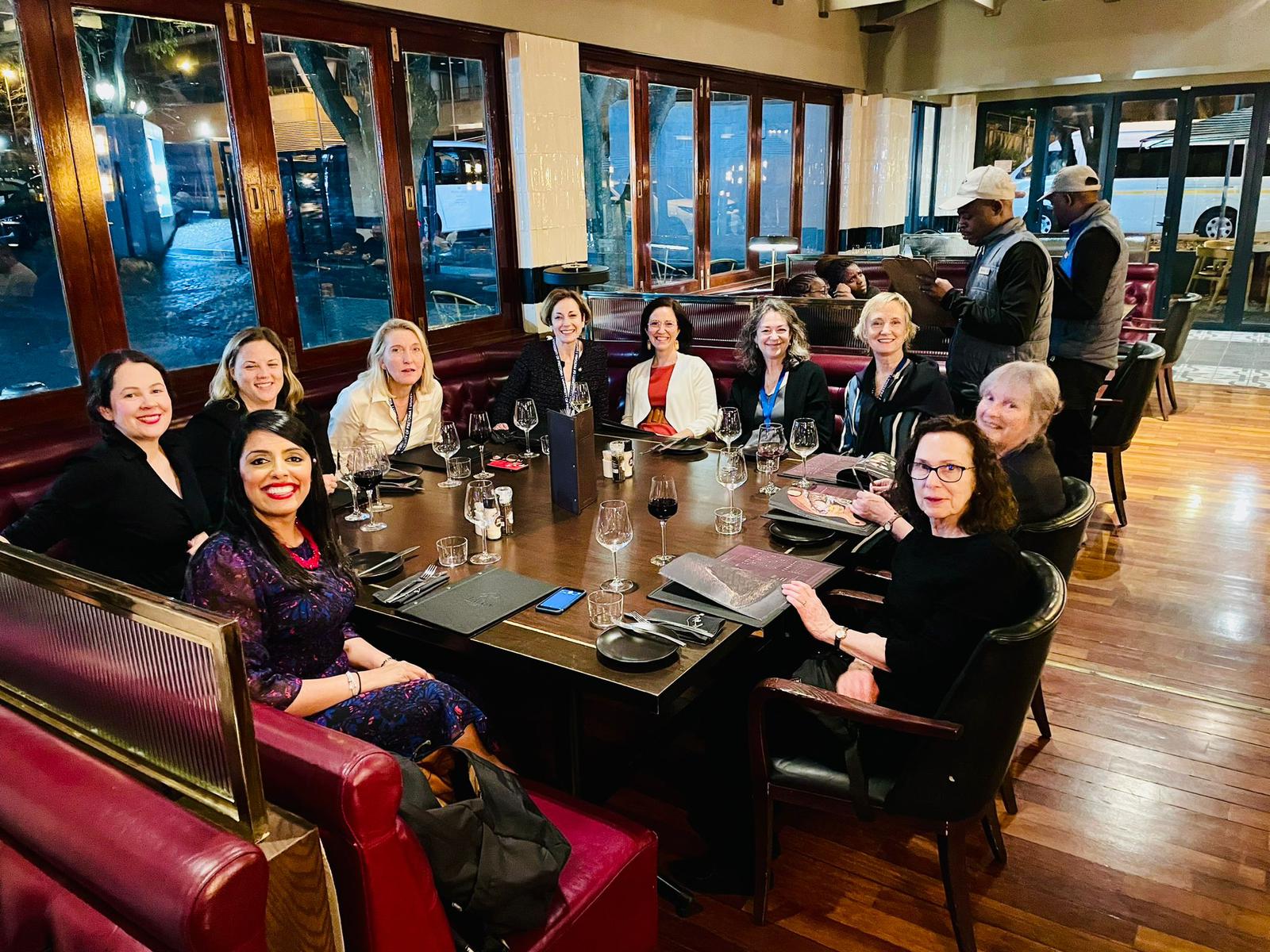
Fifteen FiLiA Hague Mothers (FHM) members, advisors and partners attended in person, the majority of them as presenters and panel members; others presented online; many contributed to our expert papers that were circulated to attendees; Hague mothers shared their stories; volunteers and staff from FHM, GlobalARRK and Revibra live-tweeted key sessions; online attendees submitted questions and amplified our social media accounts. Every one of you helped to make a difference.
In his opening address, Secretary-General Bernasconi offered the hope that the Forum was ‘just a beginning’. The Brazilian Government’s offer to host a follow-up Forum in 2025 has made that hope a reality. In the interim, and with your help, we will continue to do all we can to raise awareness of the injustices caused by the Convention in cases of domestic violence and to advocate for those affected.
When we formally launched FiLiA Hague Mothers in 2022, we set out to ‘build an international movement for justice’. That international movement came together in South Africa last month. Thank you to every single one of you who made that possible. Together we will make change happen.
HCCH Forum on Domestic Violence and the Operation of Article 13(1)(b) of the 1980 Child Abduction Convention, South Africa
Our member Donna Johnson summarised each day of the Forum from Johannesburg
Opening session summary June 18th
A strong opening session at the Johannesburg forum with remarks from Elsabe Schoeman, Dean of the Faculty of Law, University of Pretoria; John Jeffery, Deputy Minister of Justice, South Africa; and Christophe Bernasconi, Secretary General of the Hague Conference on Private International Law (HCCH).
For me, the remarks spoke to the gravity of the issue that we are here to address. We were told it is going to be a hard four days.
The ‘landmark’ nature of this huge, interdisciplinary forum was stressed by Dr. Bernasconi. He referred to the moment as ‘truly historic’ as representatives from all perspectives (legal, academic, judicial, women who have fled intimate partner violence, DV advocates, psychological experts, left behind parents, Central Authorities, NGOs and researchers) come together for a crucial dialogue.
He reflected on the journey that led us to this forum. It was through emails from domestic violence survivors and their advocates that he became aware of problems with The Hague Convention when it comes to women fleeing intimate partner violence. Roz Osborne and Ruth Dineen were named as two of the individuals who convinced him of the need for a ‘dialogue among many voices’, in order that continuing, meaningful evolution of the Convention can occur. He said that at the time the Convention was established, gender based violence was not taken into account. He said that now, too often, we hear of women being ‘Hagued’ and that he is disturbed by this phrase. He believes that the convention needs to evolve. To be effective it must be inclusive, it must evolve. Hence this forum.
He stressed the challenge faced over the next days. The program is rich and designed to engage, but the issue is hard and complex. He urged participants to maintain a safe and respectful environment in order that the dialogue be productive, fruitful, and enforce understanding. It is his hope that at the end of the day we all have the same goal: the appropriate use of The Hague Convention.
Day 2 summary June 19th
For those of us who work with women fleeing domestic violence, the conversation got hard very quickly today.
We know that mothers who risk life and limb to extricate themselves and their children from abusive homes are not abductors, but protectors.
Those of us with long experience accompanying women in situations of intimate partner violence know that mothers are between a rock and a hard place.
In every country they face enormous barriers to leaving their batterers. It takes massive courage to leave an abusive man. It’s terrifying. Women turn to the courts in good faith, too often to find their situations treated with indifference.
Too often to find themselves abandoned and opposed by the very organizations with a mandate to protect them and their children.
Their abusers are rarely effectively sanctioned and restrained by their own domestic courts, leaving them as sitting ducks.
For such mothers, fleeing across international borders with their child or children is a desperate last resort.
It is hard to hear these acts of desperation and courage framed as acts of violence.
It’s hard to hear mothers chastised for ‘taking matters into their own hands,’ when it is precisely the lack of protection in their own jurisdictions that leads to the very difficult decision to flee the country.
It is hard to see the power dynamics of the abusive relationship, and a patriarchal society, rendered invisible. The words ‘power’ and ‘control’ were infrequently used, if at all. How is it that abusive men get to run the show? How is it that women and children are made to pay the price for men’s violence? For what other crime are victims forced to stay in contact with the perpetrator? These are questions we need to be asking.
The afternoon session, “Lived experiences of abduction cases involving DV” was profound, honest, brave and riveting. It went off like a bomb in the room, exploding any safe intellectual distance from the subject. We heard voice after voice after voice of abused mothers who have been revictimized, first by the courts, then by the Hague Convention.
Some mothers appeared by video. Some came in person. All spoke at incredible cost to themselves in order that we might be moved in our hearts to recognize the plight of the battered mother and take action to protect her and her children.
Why is it such a big ask?
Some of the words I heard today from ‘Hagued’ mothers:
“It was never about my son. It was all about power and control over me.”
“Women are encouraged to leave, but then set straight back.”
“It’s the strength of the mother that causes her to fight.“
“What is the line that needs to be crossed in order for a woman to get protection?”
“If there are children, they know they can still control us.“
“The safety of children depends on the courts believing mothers.”
“‘Grave risk of harm?’ These are active war zones.”
“Men who abuse women should not be able to dictate where the victims of their abuse live.”
“It is clear a war is being waged against mothers, and the battlefield is the Hague Convention.”
“These cases are not outliers.”
Day 3 summary June 20th
Here are some of the points that stood out for me today:
A man can win custody of a child even though he has
a) kept his pregnant partner in a shed
b) stopped to do a drug deal on the way to the hospital when his pregnant partner is in labour
c) beaten the mother of his child.
It is not necessarily traumatic for a child not to have a relationship with two parents. It is essential to have one solid attachment.
It is harmful to separate a child from his or her primary attachment.
Abuse is not linear, it is not always physical, and there is not always physical evidence to point to.
Domestic violence amounts to inhuman and degrading treatment of women. It is a human rights issue.
What about the human rights of mothers? Do mothers have a right to lives of safety? Do we have obligations to mothers in their own right? It’s not only a matter of the impact on the kids.
Training in intimate partner violence must include understanding abusive men’s tactics, which include counter-allegations, parental alienation claims, and accusing their partners of having mental health problems and being unfit mothers.
Women who are doing everything in their power to protect their children are quite unjustly being named as criminals. ‘Taking’ mothers are criminalized and stigmatized.
The options for women are to stay in the country and take the abuse, or flee and be labelled a criminal and an abductor.
Migrant women are particularly vulnerable to criminalization.
Some of the words I heard today:
“How much risk is acceptable when it comes to women and children’s lives? How much abuse is too much abuse? How much is acceptable? Where is the line?”
“The Hague Convention is the worst human rights violation I’ve ever seen. Maybe it worked 40 years ago, but it’s not working now. The Hague Convention is not fit for purpose.”
“The convention is now being used as a tool to abuse victims. Women are being hung like witches in the Salem witch trials.”
“I would like to see a revolution come out of this conference.”
Day 4 summary June 21st
The Johannesburg Forum has put the plight of ‘Hagued Mothers’ before the world.
The forum showed us that we have at hand all the evidence, expertise and goodwill required to turn this situation around.
But it seems to me we haven’t yet grasped the power structure. Until we start to recognize and confront the patriarchal power structure bearing down upon women’s lives, this injustice will continue. Because we don’t know how to read it. Failing to see it, we will be unable to stop it.
Men’s abuse of women via The Hague Convention is just another form of male violence against women, albeit a particularly cruel form.
Until we start to recognize the fundamental rights of women and begin to protect them as women, and in their central role as mothers, these injustices will continue.
“Men their rights and nothing more; women their rights and nothing less.” –Susan B. Anthony.
In a hugely significant interview for Uruguayan newspaper La Diaria, one of the originators of the treaty Judge Elisa Pérez-Vera told journalist Patrícia Álvares:
“If I had to write it today, I would think that one of the circumstances that judges can take into account when affirming that there is an exception to the return of the child to the place of habitual residence, is precisely the existence of an abuser, of a father who exercises gender violence on the mother, and normally also in a vicarious way, on the abducted child.”
Pérez-Vera also acknowledged the lack of equality of arms for mothers forced to fight for custody in a foreign country, even before court costs are taken in to account:
“Indeed, litigating in one’s own country, before one’s own court, has an extra bonus of advantage over the foreigner. I think xenophobia is latent in many of us, even if we don’t realise it, even if we believe we are not xenophobic, in the end, there is more tendency to believe the national than the foreigner. I think it works at all levels. Not only before a judge but also before the police, before any institution. Let’s think: the national plays at home. It is like football. Playing at home is always an advantage.”
We very much hope that attendees at the Pretoria Forum (June 19-21) which will consider issues of domestic abuse and the Hague Convention, will take account of this thoughtful and important interview. Mothers and children who are victims of abuse need to be safeguarded by the Convention, not further abused.
Our thanks to La Diaria for permission to republish, and to Patrícia Álvares for the original article and the English translation. Patrícia Álvares can be contacted via The Hague Papers website.
“Sometimes going back [to Brazil] is the only way to ensure that they will stay alive and to protect their children. If you are in a place where you don’t have a support system, you don’t have a network, you don’t know that you can stay there … they can’t file a complaint. They are stigmatised by the system, by the government, by the courts, by the state.”
Sally Jackson in conversation with Janaina Albuquerque of Revibra Europa, a network of legal experts and psychologists who provide advice and support to Brazilian victims of domestic abuse. They have considerable experience of Hague cases, and of the additional barriers faced by migrant women in negotiating the court hearing and the aftermath. We’re delighted to be working in partnership with them – thank you for your time and expertise Janaina!
We’re delighted to feature this guest blog from Right to Equality whose founder and CEO, Dr Charlotte Proudman, represented the mother in a recent UK case which helps set a precedent that domestic abuse is serious and can create a situation where the child is at grave risk if returned to their abuser. Dr Proudman is also a barrister at Goldsmith Chambers and Senior Research Associate, University of Cambridge.
Article 13(b) Defence in a Hague Convention Case – The Convention
While originally intended to protect children from being taken abroad by fathers without custody, the Hauge Convention has, by this point, drifted away from its original purpose. The Hague Convention considers a child abducted if taken across borders by a parent without the other’s consent, regardless of domestic abuse. As of 2021, roughly 75% of taking persons were mothers. According to the European Parliament’s Committee on Legal Affairs Report, ‘There are no comprehensive statistics regarding the number of abduction cases which involve domestic violence, but researchers have recently stated that ‘it is suspected that domestic violence is a present issue in as many as 70% of the total parental child abduction cases.’ Domestic abuse may make taking parents feel that flight is the only option. Despite the high rates of domestic violence presence, the Convention will often require the child to be returned. There is a myth that returning children will not face harm, in part because of the lack of (or inability to) follow up on cases. In reality, the harms are real and active – in some cases, mothers or children are killed, and frequently those returned to alleged abusers are greeted by heart-breaking fates.
‘Hagued’ is an increasingly common term these days for mothers who are harmed by the Convention. Three types of harm have been identified for ‘Hagued’ mothers, including ‘further intimidation and abuse by an ex-partner through contact necessitated by court proceedings; punishment through a court system that positions the woman as a ‘child abductor’ and may engender adverse custody arrangements; and homelessness caused by lack of support structures, income and financial independence’ (Centre for Justice). Research collecting survivors’ experiences details how they flee, hoping for safety for themselves and their children, yet are forced to return to danger. Women and children fleeing had faced:
severe and sustained exposure to domestic violence prior… For the majority of the women, this violence included serious physical assaults against them, coupled with a degree of threatening behavior that led the women to believe that their lives and/or those of their children were in danger. They were usually isolated from family members and friends, prevented by their husbands from having independent access to financial resources and/or exposed to threats based on their immigrant status (The Judge’s Newsletter)
The 1980 Hague Convention has negatively impacted mothers who are survivors of domestic abuse and who flee with their children for safety. In 1994, the Australian Law Reform Commission recommended the risk of domestic violence be deemed an intolerable situation, but the reform was never enacted 1. Given the serious concerns about the operation of the Hague Convention for victims of domestic abuse and violence, recommendations for change have been raised by Dr Adrienne Barnett with FiLiA Hague Mothers. Right to Equality supports their efforts. FiLiA Hague Mothers call for the following changes to the Hague Convention:
Include a defence against return in circumstances of domestic violence/abuse, and explicit acknowledgment of the impact of domestic violence/abuse on children.
Include provision for a stay on return orders in domestic abuse cases and enable welfare hearings to be held remotely to permit the taking parent to litigate in a safe location.
Restrict the circumstances in which it is appropriate to rely on ‘protective measures’ and in any event ensure that courts cannot accept undertakings as a means of defeating the Article 13(1)(b) defence in domestic violence/abuse cases.
Ensure that children’s wishes and feelings are explored in all cases involving domestic violence/abuse.
These reforms also call for the Convention to include a DV-aware Protocol, a change to domestic laws that implement the Convention in its contracting states, the strengthening of the Guide to Good Practice re Article 13(1)(b), the improvement to approaches by the courts in contracting states, and the provision of legal aid to taking parents. Many mothers encounter disadvantages in custody battles: they are frequently stranded in a foreign country with little support, facing the peril of losing all contact with their children, all while combating the label of ‘kidnapper’.
What is Article 13(b)’s grave risk exemption?
The grave risk exception details that ‘there is a grave risk that his or her return would expose the child to physical or psychological harm or otherwise place the child in an intolerable situation’.2
This can include three different types of risk:
a grave risk that the return would expose the child to physical harm;
a grave risk that the return would expose the child to psychological harm; or
a grave risk that the return would otherwise place the child in an intolerable situation
In the 1980 Child Abduction Convention Guide to Good Practice, Part V1, Article 13(1)(b) Hague Conference on Private International Law (2020) paragraph 33, the risk of grave harm extends to include, in some cases, the taking parent wherein the harm to the parent could, in exceptional circumstances present risk to the child:
The wording of Article 13(1)(b) makes clear that the issue is whether there is a graverisk that the return would ‘expose the child to physical or psychological harm orotherwise place the child in an intolerable situation’. But harm to a parent, whether physical or psychological, could, in some exceptional circumstances, create a grave risk that the return would expose the child to physical or psychological harm or otherwise place the child in an intolerable situation. The Article 13(1)(b) exception does not require, for example, that the child be the direct or primary victim of physical harm if there is sufficient evidence that, because of a risk of harm directed to a taking parent, there is a grave risk to the child.
One potential defence available is the Article 13b grave risk defence, frequently utilised by survivors of domestic abuse. However, in England and Wales, the courts tend to apply this defence to an incredibly high standard, resulting in numerous children and their mothers being compelled to return to the jurisdiction of their abusers. As we move towards the changes so desperately needed to protect victims of abuse and mothers protecting their children, it’s important to utilise case law to make progress in establishing legal protections.
Right to Equality director Dr Charlotte Proudman recently represented a mother who was a victim of domestic abuse in a case where she had fled with her child from Italy to England. The father submitted a Hague application for return to Italy, but the mother was successful in her opposition.
Recommendations 9.5: Regulation 16 of the Family Law (Child Abduction Convention) Regulations should be amended to provide that in deciding whether there is a grave risk that the child’s return would expose the child to physical or psychological harm or an intolerable situation regard may be had to the harmful effects on the child of past violence or of violence likely to occur in the future towards the abductor by the other parent if the child is returned. (Australian Law Refom Commission, 1994). ↩︎
‘Thus, the interest of the child in not being removed from its habitual residence without sufficient guarantees of its stability in the new environment, gives way before the primary interest of any person in not being exposed to physical or psychological danger or being placed in an intolerable situation.’ (Explanatory Report) ↩︎
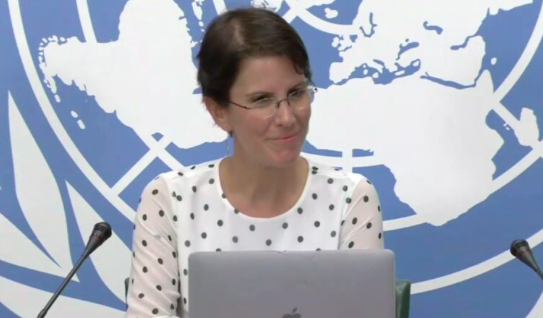
Reem Alsalem, the UN Special Rapporteur on violence against women and girls recently completed a fact-finding visit to the UK. Our submission included the stories of two Hague mothers whose lives and freedom of movement are now entirely controlled by their abusive ex-partners, enabled by international law.
“I fear that freedom from his abuse may never come. If there are children involved, abusers know that they can still manipulate and control our lives through the legal system, finances, and the children themselves.”
Our proposals included:
an automatic right to legal aid for ‘taking parents’
mandated training in domestic abuse for both judges and lawyers dealing with Hague cases.
changes to the implementation of the Convention in the UK to ensure that the Child Abduction and Custody Act 1985 is compatible with the Domestic Abuse Act 2021. This particularly relates to the definition of domestic abuse, and the recognition that children living with domestic abuse are victims in their own right.